Get Curb Cutting in Denver, CO
Curb cutting services for Denver-area property owners involve local contractors creating accessible ramps or pathways to improve safety and mobility for residents and visitors.
Property owners in Denver, CO, who are planning to improve accessibility or prepare for parking solutions often consider curb cutting services. These projects can be essential for creating smooth, safe transitions between the street and private property, especially in areas with varying elevation or older infrastructure. Exploring local contractors who specialize in curb cutting can help ensure the work aligns with community standards and local regulations, making it easier to coordinate your project with other improvements or renovations.
Comparing options among nearby service providers allows property owners to find the right fit for their specific needs. Whether for residential driveways, commercial entrances, or accessibility upgrades, understanding the scope of work and the experience of local contractors can support informed planning. Continuing to explore your options can help you identify the professionals best suited to handle the job efficiently and effectively, ensuring your property’s curb access meets your goals.
- Curb Cutting Services - needed when installing new ramps for wheelchair accessibility in residential neighborhoods of Denver, CO.
- Sidewalk Curb Cutting - required for property access improvements near commercial districts in nearby suburbs.
- Driveway Curb Cutting - necessary for creating accessible entryways in neighborhoods with older homes in Colorado Springs.
- Street Curb Cutting - performed when city upgrades or repairs require removal of existing curbs in urban areas.
- Parking Lot Curb Cutting - used for expanding or modifying parking facilities at retail centers and public facilities in Aurora, CO.
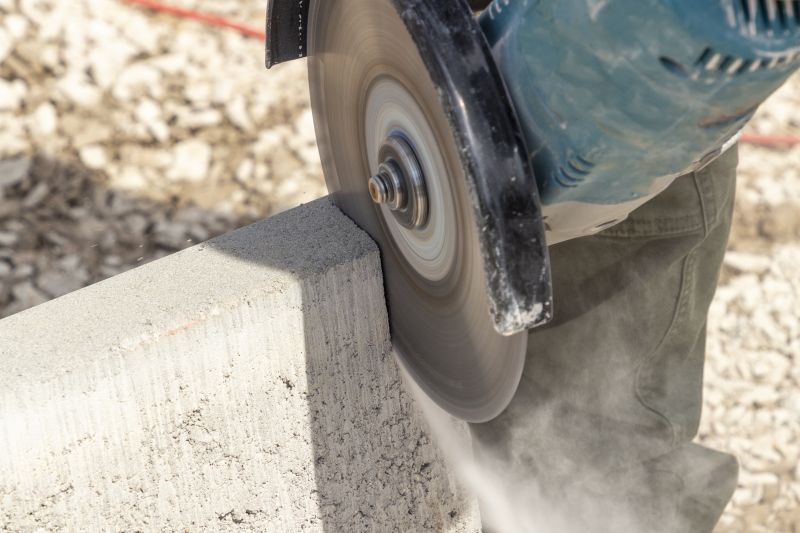
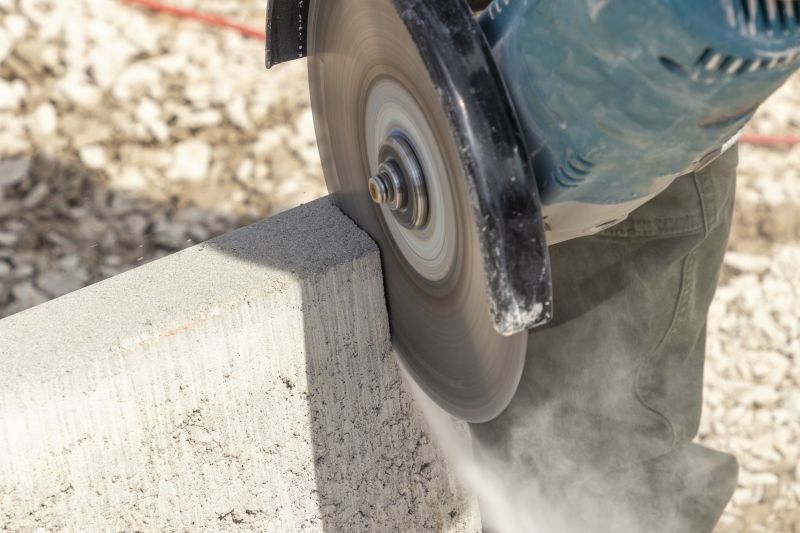
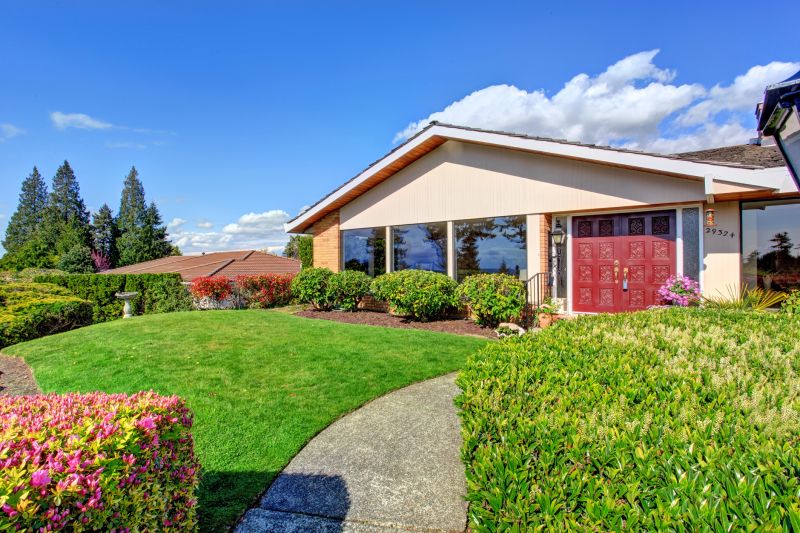
Curb cutting services involve creating a smooth, accessible entrance between a sidewalk and a driveway by removing or modifying the existing curb. This process typically includes excavating a section of the curb and replacing it with a gentle slope or ramp that allows for easier vehicle access or improved mobility for individuals with limited mobility. Service providers use specialized tools and techniques to ensure the new curb cut blends seamlessly with the surrounding pavement, providing a safe and functional transition. This work is essential for making properties more accessible and can be customized to fit the specific layout and needs of each property.
Many property owners seek curb cutting services to address common accessibility challenges. For example, homeowners with driveways that are difficult to navigate due to high or uneven curbs often find curb cuts helpful in easing entry and exit. Additionally, properties with residents or visitors who use wheelchairs, walkers, or strollers benefit from the lowered thresholds that curb cuts provide. These modifications can also prevent damage to vehicles that might scrape or get caught on high curbs. By creating a smoother transition, curb cutting helps eliminate obstacles that can hinder daily activities and improve overall safety.
Curb cutting services are frequently used on residential properties, especially those with private driveways or garages. They are also common on commercial properties, such as storefronts, parking lots, and public facilities, where accessibility is a priority. In neighborhoods where aging infrastructure has resulted in high or uneven curbs, curb cuts can significantly enhance mobility and convenience. Property owners who are planning renovations or improvements often consider curb cutting as part of their accessibility upgrades. Service providers can tailor solutions to match the specific requirements of each property, ensuring a practical and durable result.
When considering curb cutting, property owners should evaluate their specific needs and the layout of their property. This service is particularly useful for homes in Denver, CO, and nearby areas where hilly terrain or older infrastructure may pose access challenges. Whether the goal is to improve ease of entry, comply with accessibility standards, or simply make daily routines more manageable, local contractors can handle the work efficiently. Contacting experienced service providers ensures that the curb cut is designed and installed properly, providing a safe and functional solution that enhances property accessibility for years to come.
The overview below groups typical Curb Cutting projects into broad ranges so you can see how smaller, mid-sized, and larger jobs often compare in Denver, CO.
In many markets, a large share of routine jobs stays in the lower and middle ranges, while only a smaller percentage of projects moves into the highest bands when the work is more complex or site conditions are harder than average.
Smaller Repairs - Typical costs for minor curb cutting jobs in Denver range from $250 to $600. Many routine repairs fall within this range, covering small adjustments or partial cuts. Larger or more complex projects may exceed this range.
Standard Curb Cuts - For standard residential or commercial curb cuts, local contractors often charge between $600 and $1,200. Most projects in this category are completed within this band, depending on size and site conditions.
Full Replacement - Complete curb replacement or extensive modifications usually cost between $1,500 and $3,500. Larger, more involved projects can reach higher amounts, especially if permits or additional work are required.
Large or Custom Projects - Custom or large-scale curb cutting projects in Denver can range from $3,500 to over $5,000. These tend to be less common and involve complex planning, permitting, or extensive site work.
Actual totals will depend on details like access to the work area, the scope of the project, and the materials selected, so use these as general starting points rather than exact figures.
Sidewalk Repair and Replacement - local contractors who specialize in sidewalk repairs often use similar planning and tools as curb cutting to ensure proper leveling and safety.
Driveway Apron Construction - creating smooth transitions between streets and private properties involves cutting and shaping concrete or asphalt, similar to curb modifications.
Accessibility Ramp Installation - installing ramps requires precise cutting and planning to ensure compliance with accessibility standards, aligning with curb cutting skills.
Street and Parking Lot Paving - paving projects involve surface preparation and cutting techniques that relate closely to curb modification processes.
Concrete Sidewalk Installation - laying new concrete walkways involves planning and cutting skills similar to those used in curb cutting services.
Public Infrastructure Repair - working on city streets and public pathways often requires similar planning, cutting, and safety considerations as curb cutting projects.
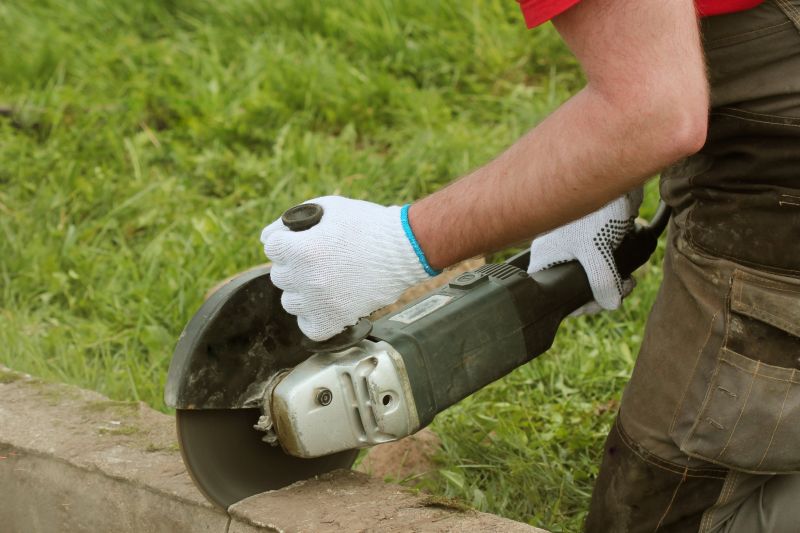
When comparing contractors for curb cutting services, it’s important to consider their experience with similar projects in Denver and nearby areas. Homeowners should seek out service providers who have a proven track record of handling projects comparable in scope and complexity. Asking about past work can provide insight into their familiarity with local regulations, common site conditions, and the specific challenges that may arise in the area. A contractor’s experience with similar projects can help ensure that the job is completed efficiently and meets the homeowner’s expectations.
Clear, written expectations are essential when evaluating potential service providers. Homeowners should look for contractors who are willing to provide detailed descriptions of the work scope, materials, and any other relevant details in writing. This helps establish a mutual understanding and reduces the risk of misunderstandings or surprises during the project. When reviewing proposals or estimates, it’s beneficial to ensure that all key aspects of the curb cutting process are outlined clearly, so that both parties are aligned on the work to be performed.
Reputable references and effective communication are critical factors to consider when choosing a local contractor. Homeowners can ask for references from previous clients who had similar work done, to gain insight into the contractor’s reliability and quality of work. Good communication throughout the process ensures that questions are answered promptly and concerns are addressed before work begins. Since the site introduces homeowners to local options rather than performing the work itself, it’s important to select service providers who demonstrate professionalism, transparency, and responsiveness, helping to facilitate a smooth and successful project.
Property owners in Denver, CO use Curb Cutting services for practical projects around their homes and businesses. This guide focuses on everyday jobs and straightforward project options.
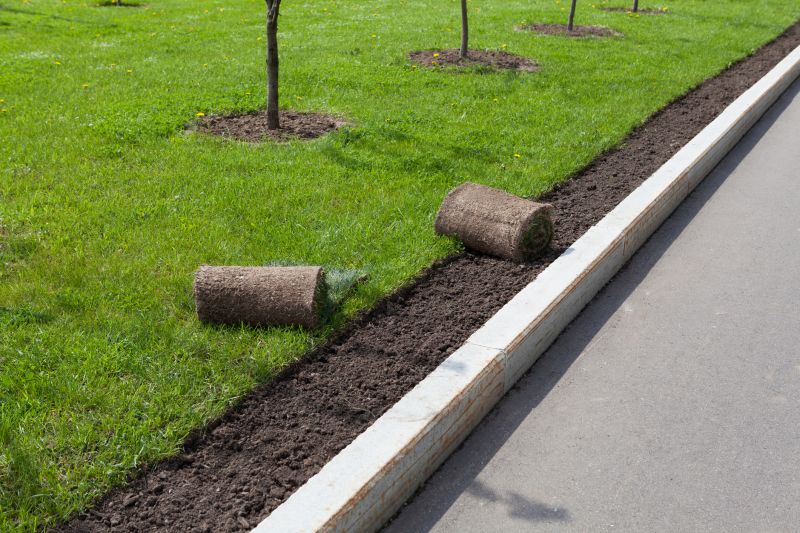
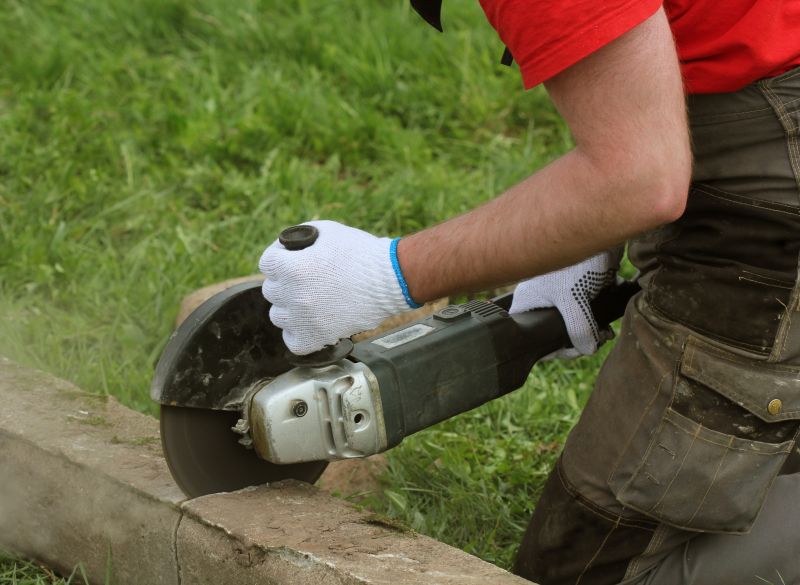
Curb cutting services are commonly needed for everyday projects around Denver homes and businesses. Property owners may require these services when installing new driveways, expanding existing access points, or making pathways more accessible. Whether preparing for a new garage, accommodating larger vehicles, or ensuring easier entry for visitors, local contractors can handle the process of creating smooth, level openings in existing curbs to meet specific needs.
Additionally, curb cutting can be a practical solution for improving mobility and compliance with accessibility standards. Homeowners or business owners might seek these services to add ramps or entry points that facilitate wheelchair access or to update older curb designs that no longer serve current use. Local service providers are equipped to perform these modifications efficiently, helping property owners address everyday access and functional requirements around Denver.
What is curb cutting? Curb cutting involves creating a smooth, accessible ramp in the curb to improve accessibility for wheelchairs, strollers, and mobility devices.
Who can handle curb cutting services? Local contractors experienced in sidewalk modifications can perform curb cutting to meet accessibility needs and local regulations.
Are curb cuts necessary for my property? Curb cuts are typically required for properties needing accessible entry points or to comply with accessibility standards in public areas.
What types of curb cutting options are available? Service providers offer various options including standard ramps, custom designs, and ADA-compliant curb cuts tailored to specific needs.
How do I find qualified curb cutting service providers? You can contact local contractors specializing in sidewalk modifications who can help compare options and handle the installation process.
Accessibility Improvements - Local contractors can install curb cuts to make entrances more accessible for individuals with mobility challenges.
Property Renovation Projects - Property owners may add curb cuts during renovations to enhance curb appeal and functionality.
Parking and Driveway Access - Curb cutting services can create smoother entry points for vehicles, improving ease of parking.
Community Accessibility Upgrades - Local service providers can assist in adding curb cuts to meet community accessibility standards.
If you are thinking about Curb Cutting for a property in Denver, CO, this guide is meant to help you understand the work, the typical project types, and how different options might fit your plans.
When you are ready, you can use the quote form on this page to share a few details about your project. From there, local pros can review the basics and respond with options that match what you have in mind.